


Collection: Saint-Estèphe
-
Château Cos d’Estournel 1999
Bottle 75 cl · Wooden case of 12
Regular price €2.044,80
Bottle 75 cl · Wooden case of 12
€170,40 per bottle
€2.044,80 -
Château Cos d’Estournel 2002
Bottle 75 cl · Wooden crate of 6
Regular price €770,40
Bottle 75 cl · Wooden crate of 6
€128,40 per bottle
€770,40 -
Château Cos Labory 2014
Bottle 75 cl · Wooden case of 12
Regular price €360,00
Bottle 75 cl · Wooden case of 12
€30,00 per bottle
€360,00 -
2015 Château Cos Labory
Bottle 75 cl · Wooden case of 12
Regular price €417,60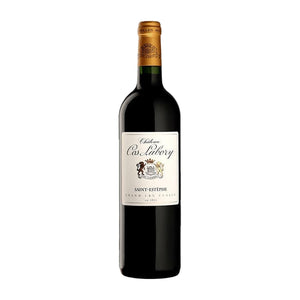
Bottle 75 cl · Wooden case of 12
€34,80 per bottle
€417,60 -
Château Haut-Marbuzet 2010
Regular price €748,80
Bottle 75 cl · Wooden case of 12
€62,40 per bottle
€748,80Magnum 1.5 L · Wooden crate of 6
€136,80 per bottle
€820,80 -
Château Haut-Marbuzet 2016
Bottle 75 cl · Wooden case of 12
Regular price €561,60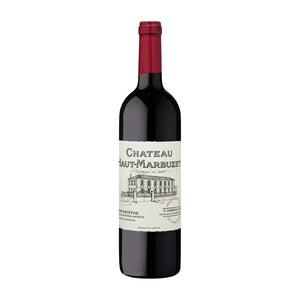
Bottle 75 cl · Wooden case of 12
€46,80 per bottle
€561,60 -
Château Haut-Marbuzet 2018
Bottle 75 cl · Wooden case of 12
Regular price €532,80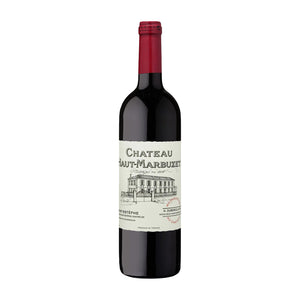
Bottle 75 cl · Wooden case of 12
€44,40 per bottle
€532,80 -
Château La Croix de Marbuzet 2023
Bottle 75 cl · Pack of 6
Regular price €85,68
Bottle 75 cl · Pack of 6
€14,28 per bottle
€85,68 -
Château Montrose 1970
Bottle 75 cl · By the bottle
Regular price €302,40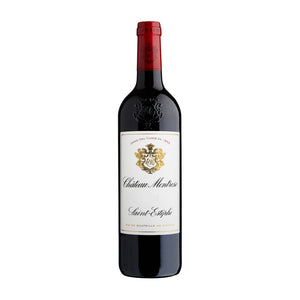
Bottle 75 cl · By the bottle
€302,40 -
Château Montrose 1988
Imperial 6 L · By the bottle
Regular price €1.202,40
Imperial 6 L · By the bottle
€1.202,40 -
Château Montrose 1992
Bottle 75 cl · By the bottle
Regular price €146,40
Bottle 75 cl · By the bottle
€146,40 -
Château Phélan Ségur 2016
Bottle 75 cl · Wooden case of 12
Regular price €590,40
Bottle 75 cl · Wooden case of 12
€49,20 per bottle
€590,40 -
Château Phélan Ségur 2018
Regular price €532,80
Bottle 75 cl · Wooden case of 12
€44,40 per bottle
€532,80Magnum 1.5 L · Wooden crate of 6
€88,80 per bottle
€532,80 -
Château Phélan Ségur 2019
Bottle 75 cl · Wooden case of 12
Regular price €561,60
Bottle 75 cl · Wooden case of 12
€46,80 per bottle
€561,60


Médoc · Saint-Estèphe appellation · 5 estates classified in 1855
What makes a Saint-Estèphe
The northernmost of the great communal appellations in the Médoc, north of Pauillac. More clay beneath the gravel than further south: the wines are firmer when young, fresher, and require a few more years. The proportion of Merlot is often higher than in neighbouring communes. Red wines only.
Five estates classified in 1855: Cos d'Estournel and Montrose (second), Calon-Ségur (third), Lafon-Rochet (fourth), Cos Labory (fifth). The rest of the appellation includes many good unclassified estates.
What to serve it with
- A second estate aged fifteen years or more: game (what wine with game), rib of beef (what wine with beef).
- A classified or unclassified estate aged eight to fifteen years: lamb (what wine with lamb), duck breast (what wine with duck).
- With cheese: aged pressed cheeses (what wine with cheese).
Which Saint-Estèphe for which occasion
For a wedding, an unclassified estate for the guests' tables, a classified estate for the wedding party's table (what Bordeaux for a wedding). For a birthday, the birth year (birth vintage). As a gift, a second estate in a wooden case (what wine to give).
Frequently asked questions
How many classified estates are in the Saint-Estèphe appellation?
Five in the 1855 classification: two second estates (Cos d'Estournel, Montrose), one third estate (Calon-Ségur), one fourth estate (Lafon-Rochet) and one fifth estate (Cos Labory).
What is the difference between a Saint-Estèphe and a Pauillac?
Saint-Estèphe has more clay: its wines are firmer when young and fresher. Pauillac, with deeper gravel, produces fuller wines. Both age well.
How long should a Saint-Estèphe be kept?
Five to fifteen years for a second wine or a simple unclassified estate, six to twenty for a fifth estate or a good unclassified estate, twelve to forty for second estates.
On site: a day in Saint-Estèphe, the châteaux that welcome visitors, where to have lunch, and the collection of your order in Bordeaux on your return.
Can't find your wine?
The shop shows only part of what we can offer. As a Bordeaux wholesaler, Transvins works with the châteaux and the Bordeaux trade: tell us the wine and vintage you are after, we will look for it and reply with availability and price.