


24 rarities: the vintage wine Advent calendar
One exceptional bottle per day, from December 1st to 24th, sold individually.
Christmas · 24 days, 24 bottles
Twenty-four bottles that Transvins sells individually, often the only one of its vintage in stock: fifty-year-old Sauternes, Saint-Julien wines with softened tannins, first growths, and, finally, the pinnacle of the right bank. One per day, from December 1st to the 24th.
How it works
Each day has a theme: a year, an appellation, a curiosity. Under the theme, the bottle featured today, with its price including tax. These bottles often exist as a single copy: when one is sold, the day switches to another bottle of the same theme, as long as supplies last.
The prices rise with the days, from vintages at their peak to big names. You can follow the whole calendar, but it is primarily used to choose: a day, a birth year, a gift.
€6.954,00 EUR incl. VAT for the 24 bottles, free delivery in mainland France from 12 bottles.
-
Château Sigalas Rabaud 1976
Bottle 75 cl · By the bottle
Regular price €122,40
Bottle 75 cl · By the bottle
€122,401 – 1976: a fifty-year-old Sauternes
The calendar opens with its least expensive bottle, and one of the oldest: a 1976 Sauternes premier cru. Sugar protects wine; at fifty years old, a sweet wine retains its freshness and takes on notes of candied fruit, honey, and coffee.
-
Château Beychevelle 1996
Bottle 75 cl · By the bottle
Regular price €128,40
Bottle 75 cl · By the bottle
€128,402 – Saint-Julien 1996
1996 is a great year on the Left Bank, and it is thirty years old: the age at which a Saint-Julien Grand Cru has softened its tannins without losing its fruit.
-
Château Ducru-Beaucaillou 1992
Bottle 75 cl · By the bottle
Regular price €146,40
Bottle 75 cl · By the bottle
€146,403 – 1992: a minor year for big names
1992 was a weak, rainy year. That is what makes it interesting today: a second growth at the price of a much lesser-known wine, ready for a long time. To be drunk, not kept.
-
Château Léoville Barton 1986
Bottle 75 cl · By the bottle
Regular price €158,40
Bottle 75 cl · By the bottle
€158,404 – 1986, forty years
1986 is a great year for the Médoc, known for its structure: its wines took a long time to open up. At forty years old, now is the time to drink them.
-
Château Pichon Baron 1996
Bottle 75 cl · By the bottle
Regular price €182,40
Bottle 75 cl · By the bottle
€182,405 – 1990s Pauillac
Pauillac, the appellation of the densest Cabernets in the Médoc, in wines that have spent thirty years in the bottle.
-
Pavillon Rouge du Château Margaux 1996
Bottle 75 cl · By the bottle
Regular price €206,40
Bottle 75 cl · By the bottle
€206,406 – Saint-Nicolas: the second wine of a premier cru
Number 6, the little brother: the second wine of a first growth, made by the same team, on the same land, at a fraction of the price of the grand vin.
-
Vieux Château Certan 1996
Bottle 75 cl · By the bottle
Regular price €182,40
Bottle 75 cl · By the bottle
€182,407 – The Right Bank
First stop on the Pomerol and Saint-Émilion side: Merlot on clay, rounder than Médoc wines, and tiny estates whose bottles are hard to find.


-
Château Gilette Crème de Tête 1970
Bottle 75 cl · By the bottle
Regular price €146,40
Bottle 75 cl · By the bottle
€146,408 – Sauternes tête de cuvée wines
A "crème de tête" is a selection of the most concentrated grapes from a Sauternes. The one from Gilette spends years in tanks before bottling, and is only sold once aged.
-
1970 Château Ducru-Beaucaillou
Bottle 75 cl · By the bottle
Regular price €218,40
Bottle 75 cl · By the bottle
€218,409 – 1970
A great year, and fifty-six years of aging: a second-growth Médoc at the age where only the bouquet remains, leather, forest floor, tobacco.
-
Château Lynch-Bages 1986
Bottle 75 cl · By the bottle
Regular price €176,40
Bottle 75 cl · By the bottle
€176,4010 – Lynch-Bages, the fifth growth
A fifth growth in 1855, Lynch-Bages is often cited to show that the classification does not tell the whole story: it sells today at the price of higher-ranked growths.
-
Château Valandraud 1998
Bottle 75 cl · By the bottle
Regular price €278,40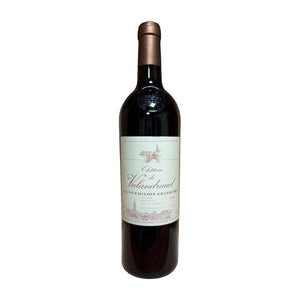
Bottle 75 cl · By the bottle
€278,4011 – Saint-Émilion garage wines
Valandraud was born in the early 1990s in a garage, quite literally, and ended up a Premier Grand Cru Classé. The day the underdogs became giants.
-
Domaine Trapet Latricières-Chambertin Grand Cru 2014
Bottle 75 cl · By the bottle
Regular price €266,40
Bottle 75 cl · By the bottle
€266,4012 – A Grand Cru Burgundy
A step aside: a grand cru from Gevrey-Chambertin, a pinot noir, lighter in color and body than a Bordeaux. The comparison helps one understand both.
-
Château Troplong Mondot 1990
Bottle 75 cl · By the bottle
Regular price €338,40
Bottle 75 cl · By the bottle
€338,4013 – 1990 Saint-Émilion
1990 is one of the great years of the end of the century in Bordeaux, warm and generous. On the right bank, it is a Merlot year, and at thirty-six years old, the wine has taken on notes of undergrowth and dried fruits.
-
Château Beychevelle 1961
Half-bottle 37.5 cl · By the bottle
Regular price €302,40
Half-bottle 37.5 cl · By the bottle
€302,4014 – 1961 half-bottle
1961 is one of the greatest years of the century in Bordeaux. In a half-bottle, a wine ages faster than in a full bottle: this sixty-five-year-old one should be opened without delay, to be shared by two.


-
Château Clerc Milon 2012
Magnum 1.5 L · By the bottle
Regular price €178,80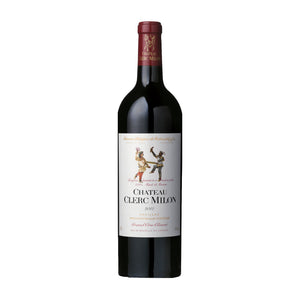
Magnum 1.5 L · By the bottle
€178,8015 – Large format
The larger the bottle, the more slowly the wine ages. A large format on the table is also the bottle everyone remembers.
-
Château Gruaud Larose 1982
Bottle 75 cl · By the bottle
Regular price €542,40
Bottle 75 cl · By the bottle
€542,4016 – 1982, the year that changed Bordeaux
1982, warm and ripe, established the reputation of Bordeaux with a new generation of enthusiasts and critics. Its wines are now being enjoyed at their peak.
-
Château Haut-Brion 2002
Bottle 75 cl · By the bottle
Regular price €398,40
Bottle 75 cl · By the bottle
€398,4017 – Haut-Brion, the only premier cru outside the Médoc
In 1855, only one château outside the Médoc was included among the first growths: Haut-Brion, in Pessac, at the gates of Bordeaux.
-
Château Mouton Rothschild 1997
Bottle 75 cl · By the bottle
Regular price €458,40
Bottle 75 cl · By the bottle
€458,4018 – Mouton Rothschild and its labels
Since 1945, every vintage of Mouton Rothschild has featured the work of an artist on its label. You buy the year, and you also receive the painting.
-
1993 Château Latour
Bottle 75 cl · By the bottle
Regular price €434,40
Bottle 75 cl · By the bottle
€434,4019 – Latour
A premier cru from Pauillac, Latour has a reputation for succeeding even in difficult years. This is the day when the price follows the year: the lesser ones cost less.
-
Château Margaux 2007
Bottle 75 cl · By the bottle
Regular price €458,40
Bottle 75 cl · By the bottle
€458,4020 – Château Margaux
The first growth of the Margaux appellation, and the only château that bears the name of the appellation.
-
Opus One 1998
Bottle 75 cl · By the bottle
Regular price €362,40
Bottle 75 cl · By the bottle
€362,4021 – Solstice: California's Bordeaux
The longest night, only one departure from France: Opus One, born from the partnership of Baron Philippe de Rothschild and Robert Mondavi in the Napa Valley.


-
Château d’Yquem 2006
Bottle 75 cl · By the bottle
Regular price €386,40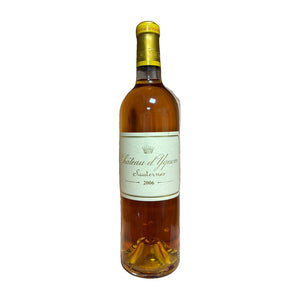
Bottle 75 cl · By the bottle
€386,4022 – Yquem, for the foie gras
The only Premier Cru Supérieur from the 1855 classification. Two days before Christmas Eve, the bottle for the foie gras, served at 8–10 °C.
-
Veuve Clicquot La Grande Dame 1990
Bottle 75 cl · By the bottle
Regular price €218,40
Bottle 75 cl · By the bottle
€218,4023 – Prestige Champagne
To kick off the New Year's Eve celebration: a prestige cuvée champagne, from an old vintage, with fine bubbles and notes of brioche.
-
2001 Château Ausone
Bottle 75 cl · By the bottle
Regular price €662,40
Bottle 75 cl · By the bottle
€662,4024 – The summit
The final door: the two greatest names on the Right Bank, Ausone in Saint-Émilion and Pétrus in Pomerol. The bottle of a lifetime, or a gift that will never be forgotten.


€6.954,00 EUR incl. VAT for the 24 bottles, free delivery in mainland France from 12 bottles.
Opening an old bottle
Stand the bottle upright a day or two before, so that the sediment settles at the bottom. Open it gently: an old cork may break, a two-prong cork puller helps. Decant only to separate the sediment, just before serving; a forty-year-old wine fades if it sits in the air. Sweet wines and champagne should be served cool, not ice-cold.
Frequently asked questions
What happens when a day's bottle is sold?
The day shows the next bottle of the same theme. When there are none left, it will say so; ask us, we are often looking for another one.
Is the condition of the bottles guaranteed?
These are old bottles: the fill level, label, and capsule vary from one to another, and the photo is often that of another bottle of the same wine. For a specific bottle, ask us about its condition before ordering.
Why are the prices so different from one day to the next?
Because the calendar goes from a 1976 Sauternes to Petrus. The price follows the name, the year, and the rarity, not the day.